Property condition
Tracks preventive maintenance completion, recurring repair patterns, and shared-space standards across the site.
This page brings together the association's annual impact story, key operating indicators, and the reporting rhythm used to keep residents informed about finances, building care, and shared community priorities.
The annual report combines service delivery, reserve planning, resident participation, and board accountability so members can see how policy choices affect the lived experience of the property.
Each pillar appears in board reporting, resident updates, and annual review materials so the association measures outcomes consistently.
Tracks preventive maintenance completion, recurring repair patterns, and shared-space standards across the site.
Reviews reserve strength, forecast accuracy, and whether spending aligns with approved priorities.
Measures meeting attendance, survey response rates, and how often resident input changes board decisions.
Follows response timelines, publication cadence, policy compliance, and decision transparency.
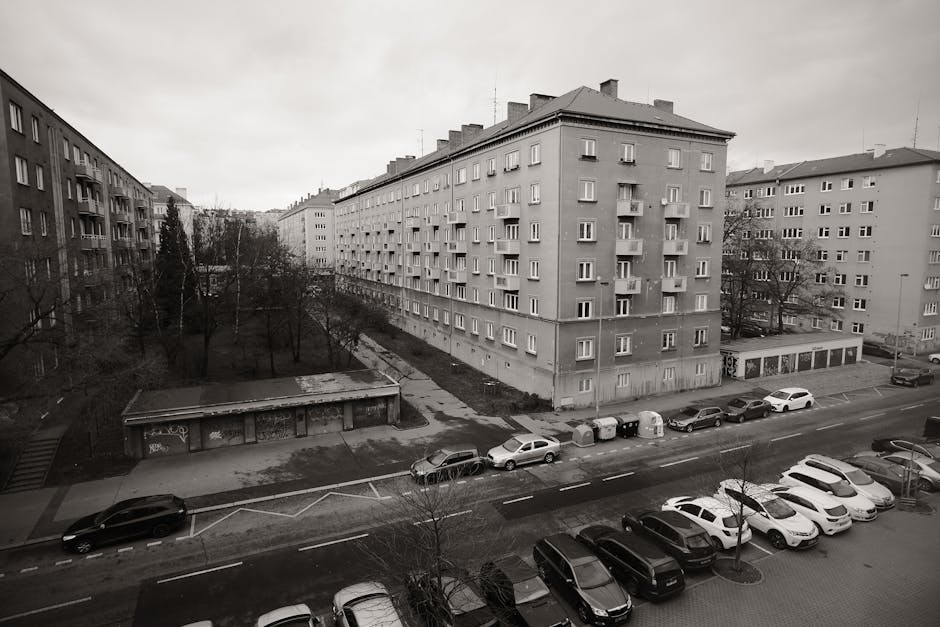
The most recent edition highlights reduced reactive maintenance, clearer board communications, and stronger resident confidence in decision-making.
Download PDF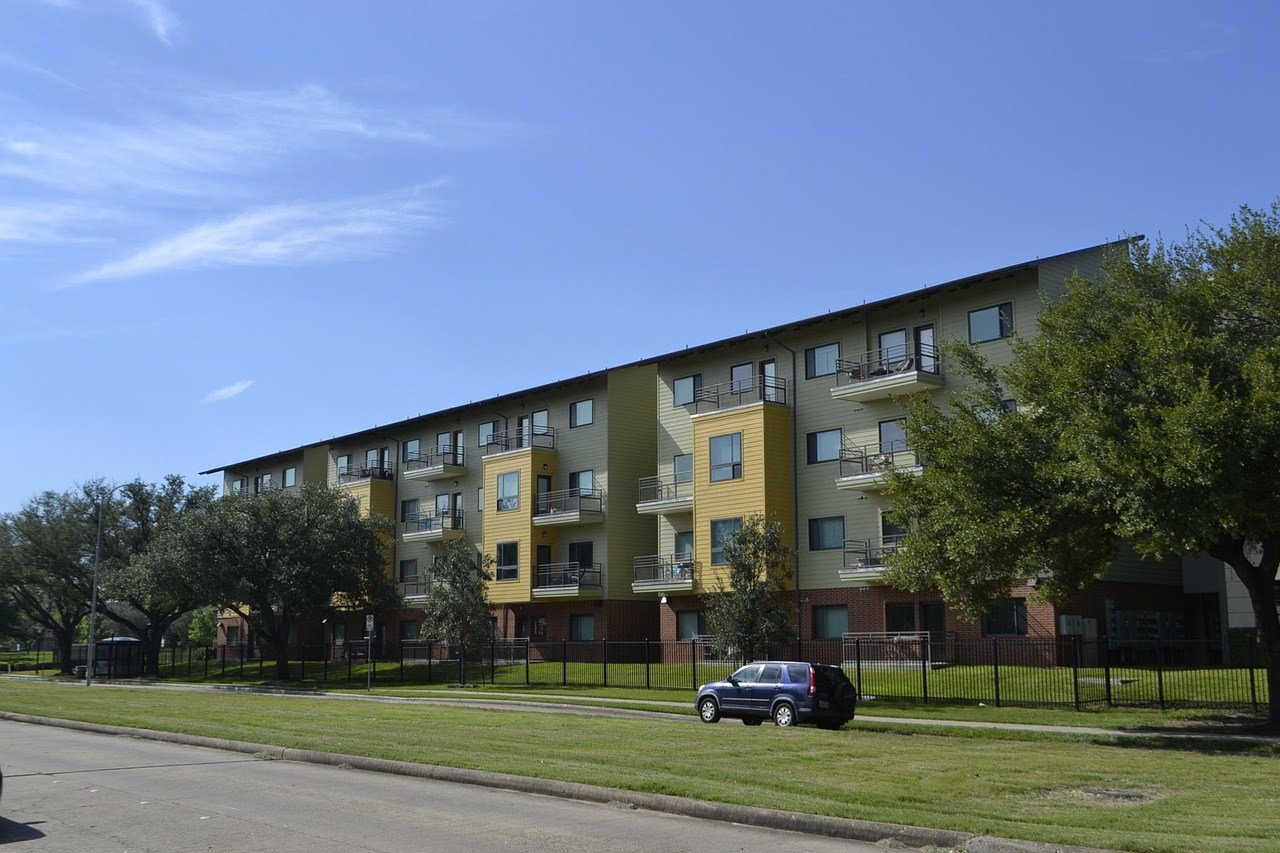
This cycle centered on cost predictability, vendor oversight, and shared-space upgrades designed to reduce larger future repair needs.
Request Archive Copy
The association formalized response tracking, meeting summaries, and recurring reporting categories that now anchor later editions.
Contact for AccessMaintenance logs, invoice records, survey responses, and meeting notes are compiled into a common evidence set each quarter.
The board compares trends against budget assumptions, service targets, and resident concerns raised during open sessions.
Findings are translated into plain-language summaries, annual metrics, and a forward-looking set of commitments for the next cycle.
Reporting is grounded in the actual shared spaces residents use, maintain, and improve together throughout the year.

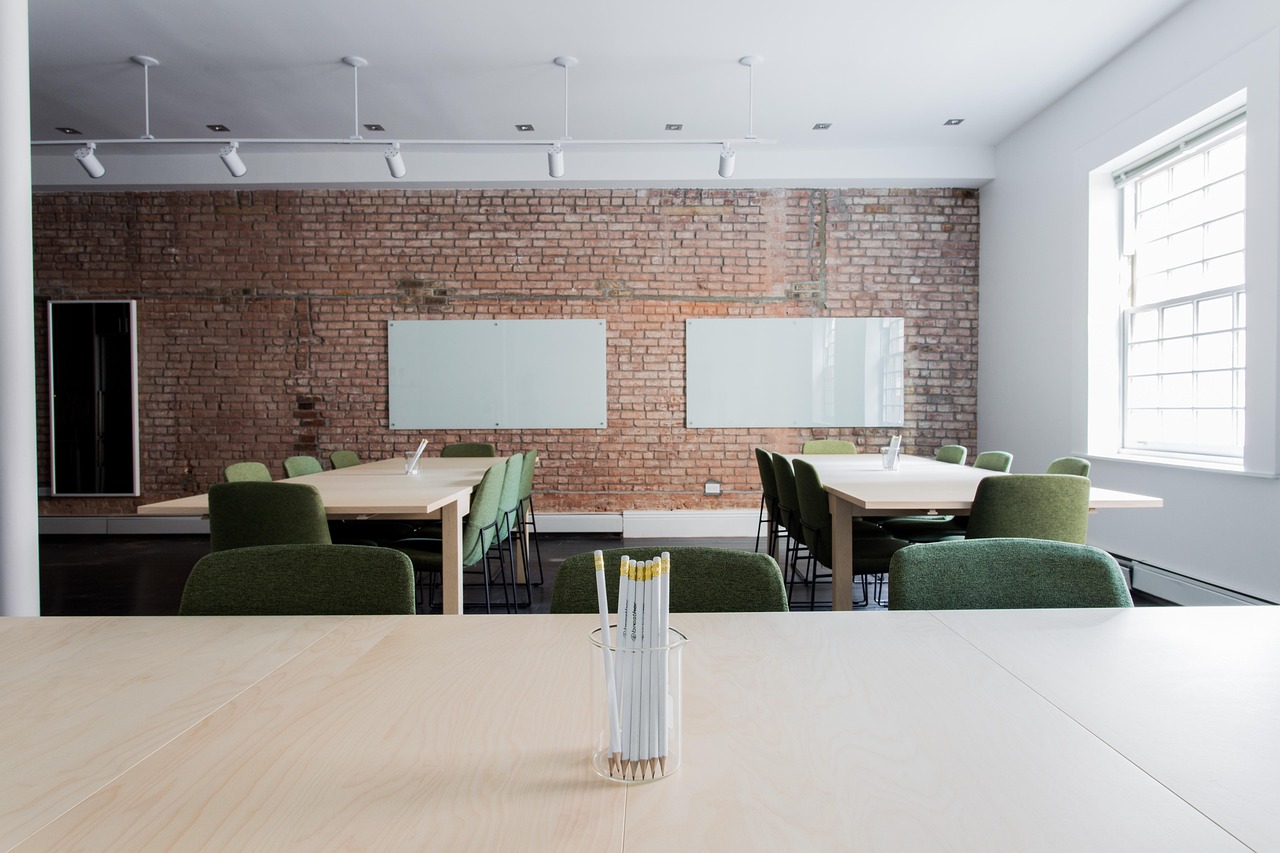


Rather than treat recurring courtyard runoff as an isolated maintenance problem, the board used it as a test case for evidence-based reporting: problem logging, contractor comparison, resident updates, and post-repair review were all documented and carried into the annual report narrative.
Repeated resident reports were grouped so the board could see the actual pattern instead of scattered incidents.
Vendor proposals were reviewed against disruption, cost, and long-term durability before a decision was taken.
Residents received a short summary of the final works, budget effect, and the follow-up checks scheduled afterward.
The association prioritizes reporting that residents can actually use: short summaries after major decisions, archive access on request, and annual figures that connect spending, maintenance delivery, and resident confidence rather than presenting them in isolation.
Target for board-approved summaries and updates to be shared within the communication window set for the reporting cycle.
Read the current annual summary and follow the metrics tied to operational changes.
Contact the board if you need more detail on methodology, priorities, or archive materials.
Participate in meetings and resident feedback sessions that influence future reporting.
See who is responsible for governance, finance, resident liaison, and facilities oversight.